
RISTER News & Insights

Starting a cleaning company in Geneva: the collective agreement, the Geneva minimum wage, Suva and evening work
Opening a cleaning company in Geneva takes no cantonal licence and no diploma: a GmbH registered in the Geneva commercial register is enough to start. The real framework comes afterwards, one paid hour at a time. In Geneva, every hour must pass two checks, the wage...
Starting a cleaning company in Geneva: the collective agreement, the Geneva minimum wage, Suva and evening work
Opening a cleaning company in Geneva takes no cantonal licence and no diploma: a GmbH registered in the Geneva commercial register is enough to start. The real framework comes afterwards, one paid hour at a time. In Geneva, every hour must pass two checks, the wage...

Setting up a telecommunications or communication services company in Geneva: OFCOM registration, correspondence address, numbering and SPTA duties
Setting up a telecom company in Geneva usually starts with the wrong question: which OFCOM licence do we need? None. Since 1 January 2021 the Federal Office of Communications no longer authorises anyone to provide telecommunications services. It registers the...

Launching a food supplement brand from Geneva: cantonal notification, responsible person, composition rules, health claims and imports
Launching a food supplement brand from Geneva needs no product authorisation and no product registration: the canton says so in plain terms. What does need to be ready is the organisation, from the first day of activity: the notification to the Consumer Affairs and...
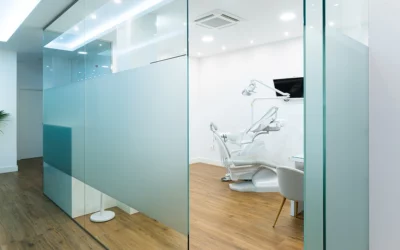
Setting up a medical practice company in Geneva: practising licence, OKP admission, needs clause, RCC number and TARDOC
Setting up a medical practice in Geneva as a GmbH (Sàrl) or an AG (SA) is common among international doctors, group practices and doctors who live in neighbouring France. Yet the company does not carry any of the rights that matter most. Each doctor needs a Geneva...
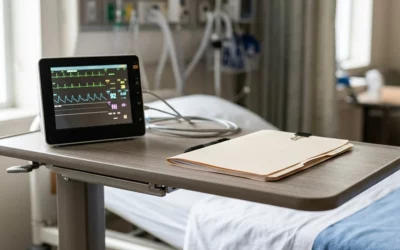
Setting up a medtech company or acting as Swiss authorised representative in Geneva: MedDO, CHRN, importer and distributor duties
A medical device company in Geneva usually starts from one of two situations. A manufacturer based in the European Union, the United Kingdom, the United States or Asia wants to sell to Swiss hospitals and clinics and needs an entity established in Switzerland to do...
Setting up a car parts business in Geneva: cross-border buying, attestations and product liability
A spare parts business in Geneva buys where the choice is, and the choice is mostly across the border. France, Germany and Italy are a morning's drive away, customs duty on industrial products disappeared on 1 January 2024, and a European part usually arrives with a...
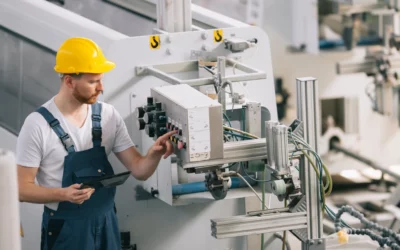
Setting up a machinery business or mechanical workshop in Geneva: conformity, CE marking and premises
A machinery business in Geneva works on both sides of a border that treats the same machine differently. Twelve kilometres away, in France, CE marking is a condition of sale. In Geneva it is not required, yet the substance behind it is: the Swiss Machinery Ordinance...

Opening a factory or production workshop in Geneva: industrial zones, plan approval and the operating permit
Setting up a manufacturing company in Geneva comes down to three steps that incorporation does not cover: finding land or premises in an industrial zone, having the plans approved by the cantonal labour inspectorate (OCIRT), and obtaining the operating permit after an...
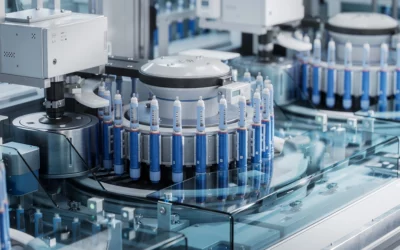
Setting up a pharmaceutical, medtech or food supplement company in Geneva: the Swissmedic licence, the site and the Swiss representative
Setting up a pharmaceutical company in Geneva turns on three questions that incorporation alone does not answer: which product, which activity, which site. A medicinal product requires a Swissmedic establishment licence, attached to a responsible person and to an...

Setting Up an Asset Management Company in Geneva: FINMA Authorisation
Setting up an asset management company in Geneva rarely fails on capital or legal form. It fails on two questions that independent managers settle too late. The first: is your activity already carried out on a professional basis within the meaning of the law? The...

Setting Up an Insurance Brokerage in Geneva: The Complete Guide
Opening an insurance brokerage in Geneva is not decided by the legal form. It starts with a statutory classification: are you a tied or an untied insurance intermediary? Since the revised Insurance Supervision Act came into force on 1 January 2024, only untied...

Setting Up a SaaS Startup in Geneva: Tax, VAT and Accounting
Setting up a SaaS startup in Geneva raises no licensing question: software publishing is not a regulated activity anywhere in Switzerland. The questions that matter are accounting and tax ones, and they arrive earlier than founders expect. We will be direct about one...

Opening a Restaurant, Café or Hotel in Geneva: Licence, Diploma and the LRDBHD
Opening a café, a restaurant, a bar or a hotel in Geneva requires an operating licence issued by the trade police, and that licence rests on a personal diploma. None of it can be obtained in a company's name. This is what most projects discover too late. The licence...
Contact us
We look forward to hearing from you
Address
Rue Adrien-Lachenal 26
1207 Geneva
Suisse